Movement
Ways to move your body and feel good. Simple routines and guidance for walking, yoga, strength and dance — movement as care, not punishment.


Walking
Simple ways to stay active, no gym required.
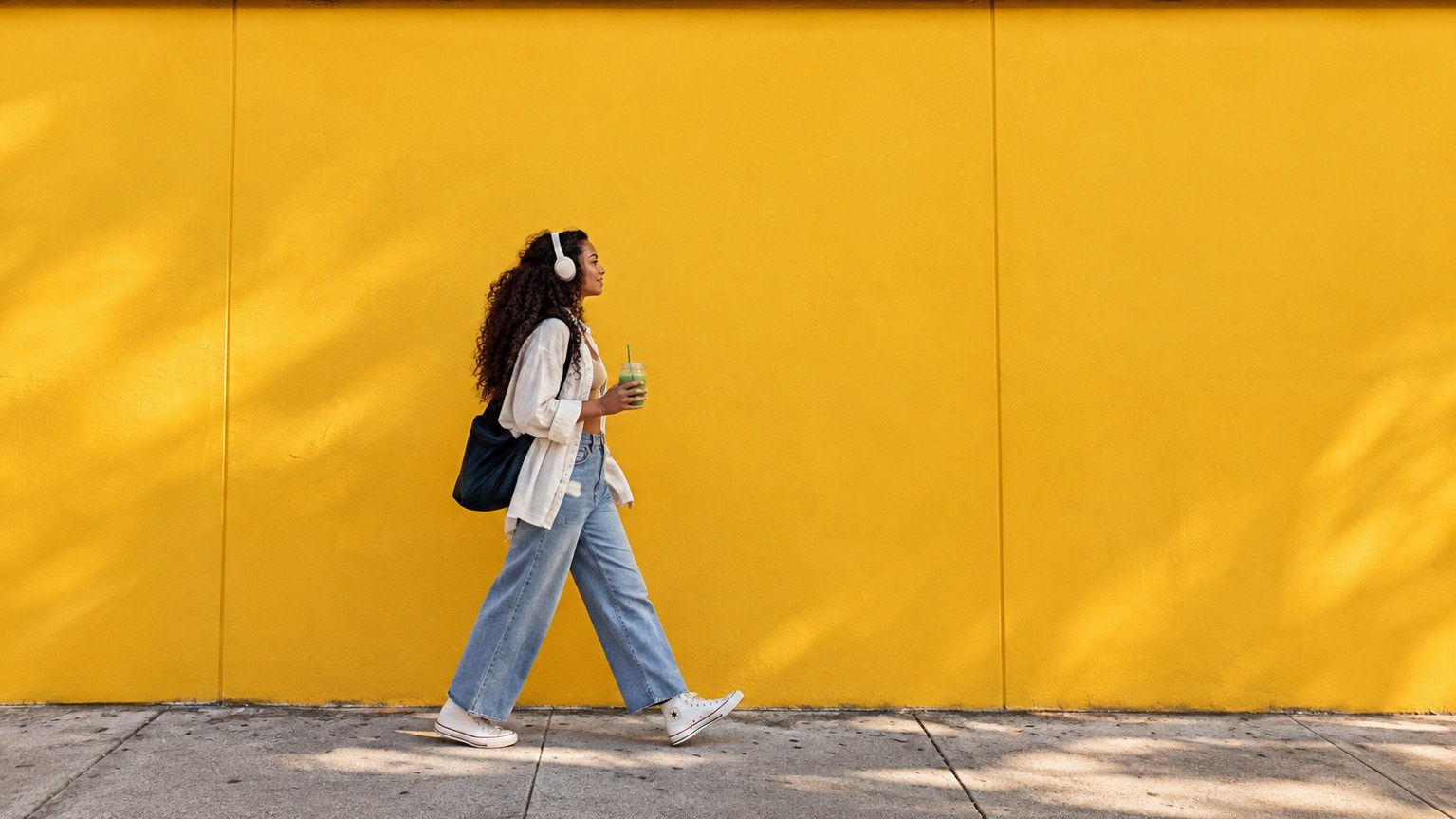
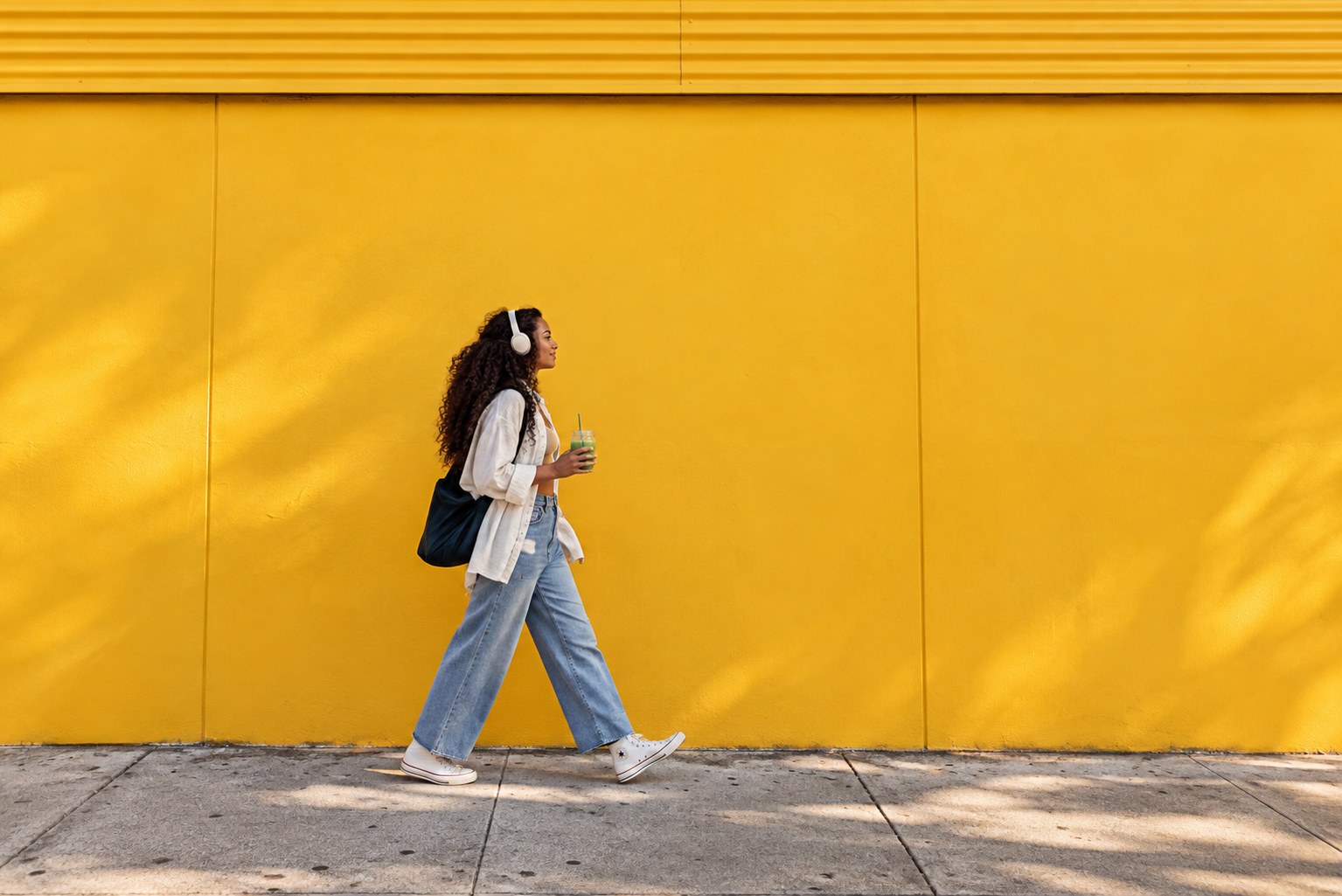
Walking is one of the simplest ways to care for your whole body. Each step works the large muscles of your legs and hips — your glutes, quadriceps, hamstrings and calves — while your heart pumps harder to move oxygen-rich blood to them, which over time strengthens the heart muscle and can help lower blood pressure. Because walking is weight-bearing, the impact travels through your feet, shins, thighs and hips and signals your bones to keep rebuilding, helping you maintain bone density as you age. Working leg muscles also pull sugar out of your bloodstream for fuel, which is why a 10–15 minute walk after a meal can soften the blood-sugar spike that follows it. And a brisk walk outdoors gives your mind a break too. You don't need a perfect routine to benefit: a large study pooling data from about 47,000 adults found that people who took more steps each day had a lower risk of dying early, with the benefit leveling off around 6,000–8,000 steps a day for adults 60 and older and 8,000–10,000 for younger adults.
Learn more: Daily steps and all-cause mortality: a meta-analysis of 15 international cohorts Paluch et al., The Lancet Public Health, 2022
Yoga
Flows for every mood, from grounding to energizing.
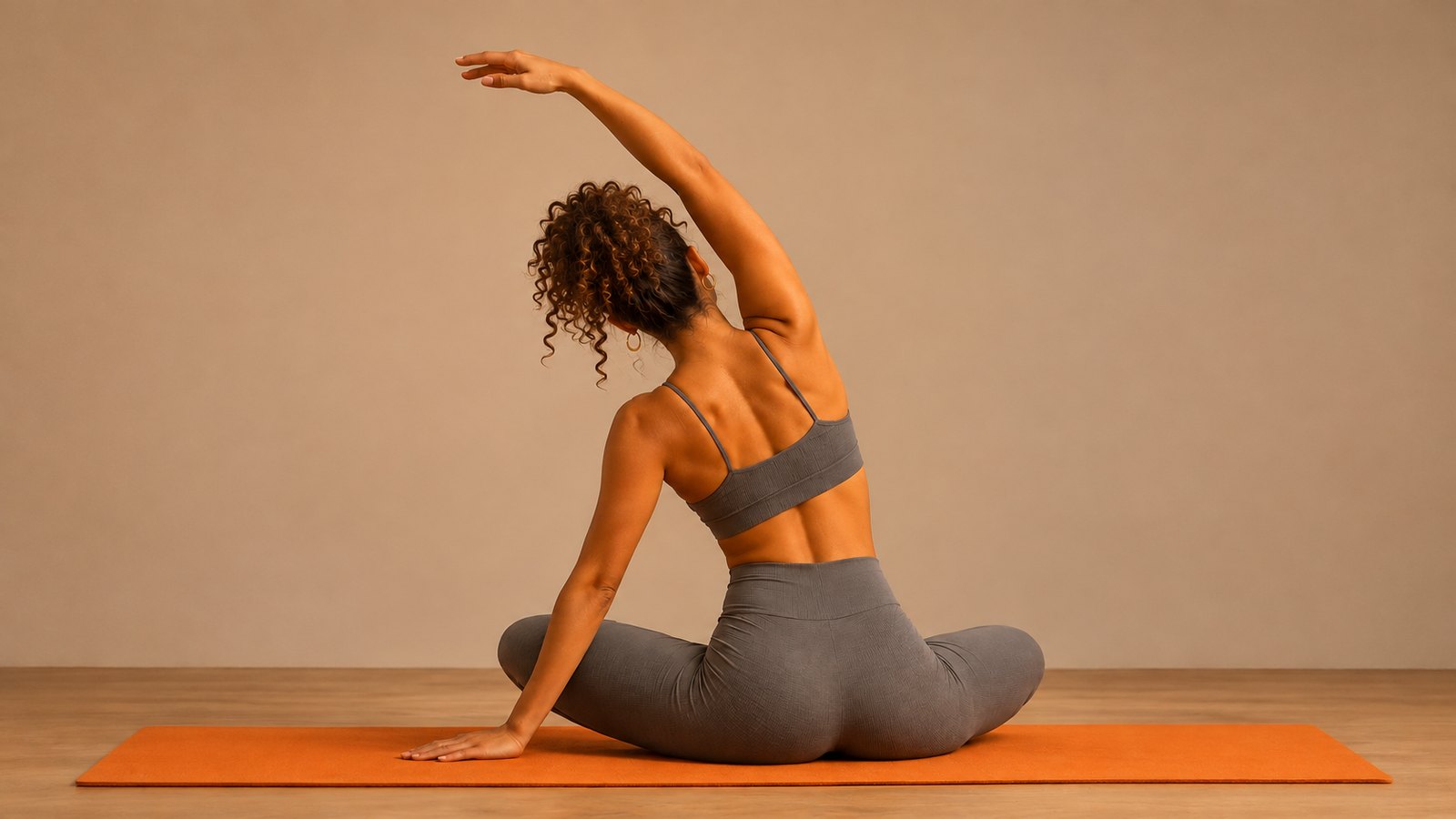
Yoga pairs movement with slow, steady breathing, so it works on body and mind at the same time. Poses like forward folds, lunges and twists gently lengthen areas that tighten from sitting — the hamstrings, hip flexors, chest and the muscles along your spine. Holding poses such as plank, warrior and chair builds endurance in your deep core muscles, glutes, thighs and shoulders, which support good posture and protect your lower back. Balance poses like tree train the small stabilizing muscles in your feet and ankles and sharpen your body's sense of where it is in space. And long, slow exhales help switch on your parasympathetic nervous system — the body's "rest and digest" mode — slowing your heart rate and easing tension. A large 2024 review of randomized trials found that yoga was linked to meaningful improvements in symptoms of depression — and that it was among the easiest forms of exercise for people to stick with.
Learn more: Effect of exercise for depression: systematic review and network meta-analysis of randomised controlled trials Noetel et al., The BMJ, 2024
Strength
Build a stronger, happier body at your own pace.
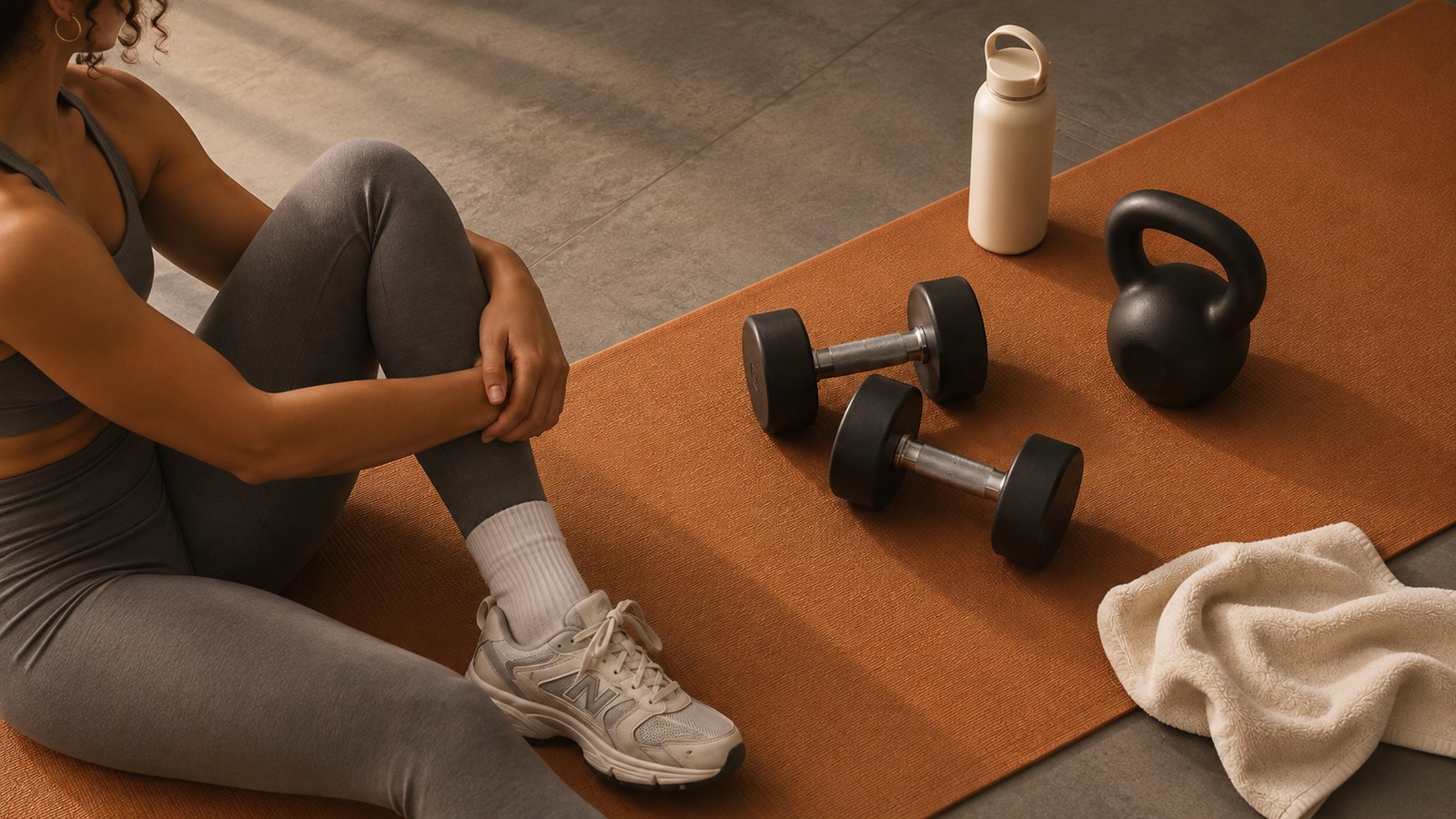
Strength training — with weights, resistance bands or just your own body weight — asks your muscles to work against a load. That challenge creates tiny stresses in the muscle fibers, and as your body repairs them, the fibers grow stronger. This matters more with age: from around our 30s, we slowly lose muscle mass and strength unless we use them. Loading your bones has a similar effect — the pull of working muscles prompts bone-building cells to lay down new bone, especially in the hips, spine and wrists, the areas most likely to fracture later in life. Stronger muscles around your knees, hips and shoulders also hold those joints steady and absorb force, taking pressure off cartilage. And because muscle is the body's biggest user of blood sugar, more of it helps your body respond better to insulin. It doesn't take hours: a review of long-term studies found that muscle-strengthening activities were linked to a 10–17% lower risk of early death, heart disease, cancer and diabetes, with the biggest benefit seen at about 30–60 minutes a week.
Learn more: Muscle-strengthening activities are associated with lower risk and mortality in major non-communicable diseases Momma et al., British Journal of Sports Medicine, 2022
Dance
Move your body for joy, not just for exercise.

Dance is movement for joy — and your body and brain benefit too. Keeping up with a song raises your heart rate and breathing, making it a full-body cardio workout for your heart and lungs. Unlike walking straight ahead, dancing moves you sideways, backward and in turns, so it works the stabilizing muscles around your hips, knees and ankles and your core muscles that keep you upright mid-spin. Learning and remembering a sequence of steps, timing them to the beat and coordinating your arms and legs all challenge your brain, especially the areas tied to memory and planning. That mix of balance and coordination training can help steady you on your feet as you get older. In an 18-month study of healthy older adults, both dancing and regular fitness training increased the size of the hippocampus, a brain area important for memory, but only the dancers also significantly improved their balance.
Learn more: Dancing or Fitness Sport? The Effects of Two Training Programs on Hippocampal Plasticity and Balance Abilities in Healthy Seniors Rehfeld et al., Frontiers in Human Neuroscience, 2017
This information is for general education and isn't medical advice. Check with your doctor before starting a new exercise routine, especially if you have a health condition.