
Why I Started Eating Plant-Based Ten Years Ago
My journey into plant-based living began with curiosity.
I started noticing how many people around me, including members of my own family, were experiencing health challenges.
I saw relatives visiting doctors, receiving diagnoses, and being prescribed medications or supplements. And I began wondering how nutrition might fit into the larger conversation about health.
One question stayed with me:
"Why can't I eat my vitamins?"
Why couldn't I learn more about the nutrients in vegetables, fruits, seeds, and other plants? How could the foods we eat help support our bodies?
That curiosity sent me down a research rabbit hole.
I started reading books, learning about nutrition, exploring traditional plant knowledge, and researching how food interacts with the human body.
The deeper I went, the more interested I became.
I learned about the gut microbiome, the relationship between diet and long-term health, and the importance of understanding where our nutrients come from.
I also began thinking more broadly about consumption.
Because when I talk about what we consume, I'm not just talking about food.
I'm talking about the entertainment we watch, the words we speak, the books we read, the environments we enter, and the thoughts we repeatedly entertain.
All of these experiences can influence how we feel and move through life.
Food is one important part of that picture.
And I wanted to become more intentional about it.
That decision eventually became a lifestyle, and ten years later, I'm still learning.
I feel healthy, happy, and energized. Although I can't attribute every aspect of how I feel to my diet—I may simply be an energetic person by nature—plant-based living has become something I genuinely enjoy.
More importantly, it has expanded my relationship with food.
Before eating plant-based, I didn't explore nearly as many fruits, vegetables, nuts, seeds, and different cuisines as I do today.
Rather than limiting my options, changing how I ate encouraged me to discover an entirely new world of ingredients.
What Makes a Plant-Based Meal Balanced?
A balanced plant-based meal combines foods that provide energy, protein, healthy fats, fiber, vitamins, and minerals.
You don't need to calculate every gram of food on your plate to build a nutritious meal.
Instead, it helps to understand the different roles nutrients play and how to combine them.
The Academy of Nutrition and Dietetics states in its updated position on vegetarian dietary patterns that appropriately planned vegetarian and vegan diets can meet adults' nutritional needs and offer long-term health benefits.
The important words are appropriately planned.
Simply removing animal products doesn't automatically make every meal nutritionally balanced.
Food variety, nutrient quality, and adequate intake still matter.
Macronutrients vs. Micronutrients: What's the Difference?
Macronutrients are nutrients your body needs in relatively large amounts.
These include carbohydrates, protein, and fat.
Micronutrients are vitamins and minerals needed in smaller quantities, but they play essential roles in keeping the body functioning properly.
Think of macronutrients as major building materials and sources of fuel, while micronutrients help support the many processes that keep everything running.
Both matter.
The Three Macronutrients in a Plant-Based Diet
1. Carbohydrates: Your Body's Energy Source
Carbohydrates are one of your body's primary sources of energy.
They help fuel everyday movement, exercise, and many bodily functions.
But carbohydrates aren't limited to pasta, bread, and rice.
They also appear in fruits, vegetables, legumes, and whole grains.
Some of my favorite sources include:
- Sweet potatoes and squash
- Oats and whole grains
- Apples, bananas, and seasonal fruit
- Lentils and chickpeas
- Carrots and other vegetables
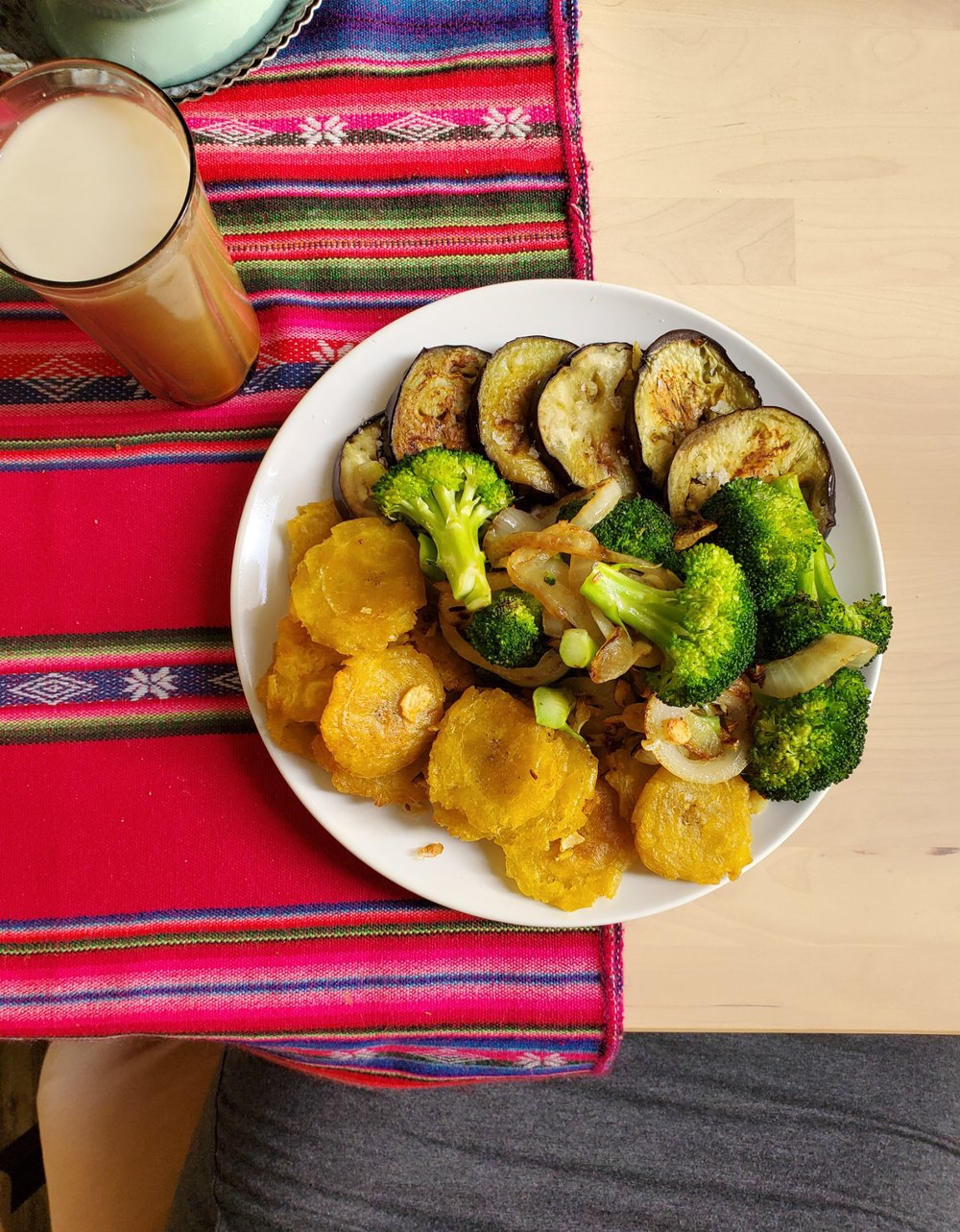
One important distinction is that not every food containing carbohydrates has the same nutritional profile.
For example, leafy greens contain relatively little carbohydrate, while potatoes, oats, and rice provide substantially more.
Both can belong in a balanced meal.
The key is paying attention to the overall quality and variety of the foods you're eating.
Why Fiber Is So Important
Fiber is a type of carbohydrate found in plant foods.
It supports digestive health, helps maintain bowel regularity, and can influence cholesterol and blood glucose management.
Fiber also provides nourishment for certain microorganisms living in the gut.
Some fiber is fermented by gut bacteria, producing compounds called short-chain fatty acids that are being studied for their roles in intestinal and metabolic health.
A 2019 series of systematic reviews and meta-analyses published in The Lancet associated higher dietary fiber intake with lower risks of several chronic health outcomes.
Foods such as fruit, vegetables, beans, whole grains, nuts, and seeds can all contribute to your daily fiber intake.
But remember, more isn't necessarily better all at once.
If you're increasing your fiber intake, do so gradually and drink adequate fluids.
I personally find that large portions of beans and lentils can be harder on my digestion, so I don't rely on them as my main protein source.
That doesn't mean they're unhealthy. It simply means I adjust how often and how much I eat based on my experience.
A balanced diet should consider both nutritional value and individual tolerance.
2. Protein: Supporting Muscles, Recovery, and Everyday Health
Protein supports the building and maintenance of muscles, tissues, enzymes, and other essential structures throughout the body.
And yes, you can get protein from plants.
Some useful plant-based protein sources include:
- Tofu
- Tempeh
- Edamame
- Lentils
- Chickpeas and beans
- Seitan
- Protein-rich soy products
- Nuts and seeds
Since I strength train regularly, I'm mindful of including protein throughout my day.
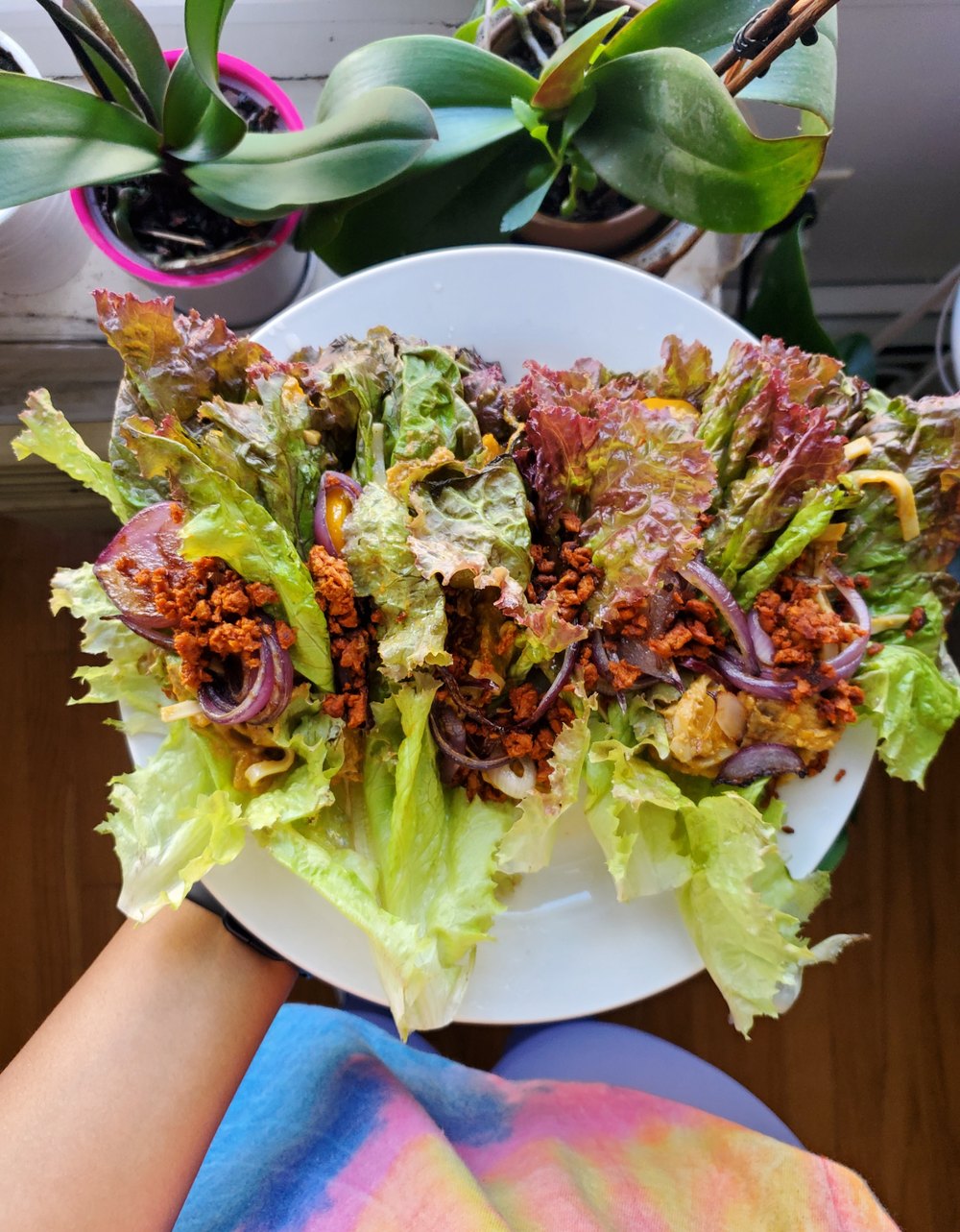
One of my favorite choices is extra-firm tofu.
It's affordable, versatile, and easy to prepare in batches.
I often buy a high-protein extra-firm tofu from Trader Joe's. Depending on the exact product and serving size, the version I purchase provides approximately 14–15 grams of protein per serving.
I love that I can season it differently depending on the meal.
It works in bowls, salads, stir-fries, and countless other dishes.
Is Tofu Healthy? Let's Talk About the Myths
One thing I've noticed is how much misinformation surrounds tofu and soy.
I've heard people claim that tofu causes hormonal changes in men or increases cancer risk in women.
But those claims deserve to be examined against actual evidence.
Soy contains compounds called isoflavones, which are classified as phytoestrogens.
However, phytoestrogens are not identical to human estrogen, and their effects in the body differ.
A meta-analysis of clinical studies found that soy and isoflavone intake did not significantly affect testosterone or estrogen levels in men.
Research on soy foods and breast cancer also does not support the general claim that eating tofu increases breast cancer risk.
It's important to distinguish ordinary soy foods from concentrated supplements, which may have different effects and require individualized consideration.
I believe we should be curious about nutrition rather than automatically rejecting unfamiliar foods.
Tofu is a valuable protein option for many people. If you enjoy it and tolerate soy, there's no reason to dismiss it simply because of a popular myth.
3. Healthy Fats: An Essential Part of a Balanced Meal
Fat is another essential macronutrient.
It supports cell function, contributes to the absorption of fat-soluble vitamins, and provides energy.
Some of my favorite plant-based fat sources include:
- Avocados
- Almond butter
- Walnuts
- Chia seeds
- Pumpkin seeds
- Olive oil
- Flaxseeds
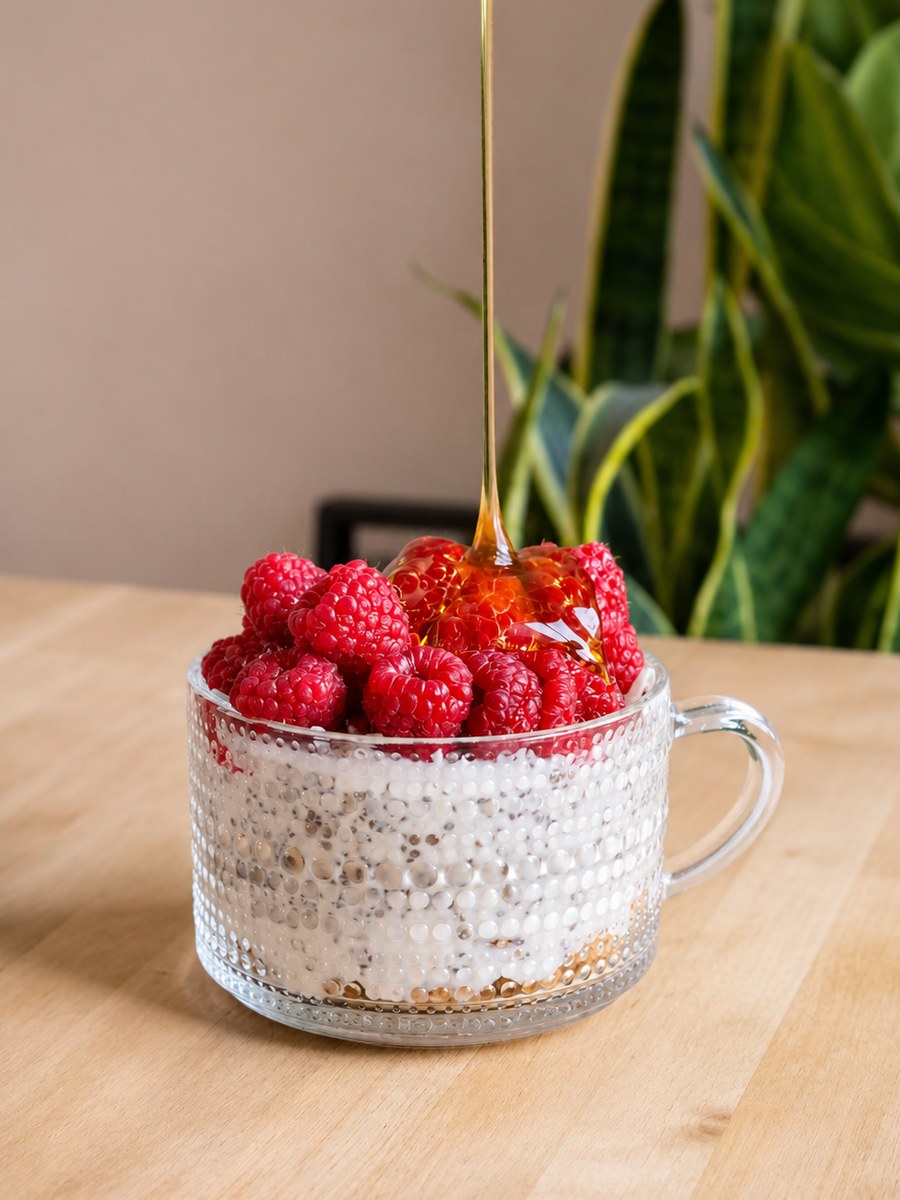
I love adding avocado to a savory bowl, almond butter to fruit, or roasted seeds to a salad.
One of my favorite ways to prepare pumpkin seeds is to toast them in a cast-iron skillet or roast them in the oven.
They become a crunchy topping that adds flavor, texture, and nutrients.
And here's something I always like to clarify: avocado is primarily a source of healthy fats, not a high-protein food.
Understanding these differences makes it easier to build meals with a variety of nutrients.
Micronutrients: The Vitamins and Minerals Your Body Needs
When I first began researching plant-based nutrition, I became fascinated by the nutrients found in everyday foods.
Vitamins and minerals are involved in everything from energy metabolism to muscle function, bone health, and the production of red blood cells.
This is why I love thinking about food as an opportunity to nourish my body.
But it's important to remember that food cannot always replace supplementation or medical treatment.
For example, people eating a fully vegan diet need a reliable source of vitamin B12 through fortified foods or supplements.
Other nutrients worth paying attention to include iron, calcium, vitamin D, iodine, zinc, and omega-3 fatty acids.
Important Nutrients to Consider
| Nutrient | Plant-based sources and considerations |
|---|---|
| Vitamin B12 | Fortified foods or supplements; a reliable source is essential |
| Iron | Tofu, lentils, beans, pumpkin seeds, leafy greens; vitamin C can improve absorption |
| Calcium | Calcium-set tofu, fortified plant milk, kale, bok choy |
| Vitamin D | Fortified foods, UV-exposed mushrooms, and supplements when appropriate |
| Omega-3 fats | Chia, flax, walnuts for ALA; algae-derived sources for EPA and DHA |
| Zinc | Pumpkin seeds, beans, tofu, oats, nuts |
| Iodine | Iodized salt and some sea vegetables, with attention to amounts |
I also believe in working with healthcare professionals who understand your lifestyle and personal needs.
I've been fortunate to find a doctor who follows a vegan diet and understands my approach to food.
That has helped me have more meaningful conversations about nutrition.
Our bodies don't all respond identically to the same foods, and our health needs can differ.
The gut microbiome, for example, is influenced by factors including diet, environment, lifestyle, and other individual characteristics.
Rather than assuming everyone needs the same exact eating pattern, I believe in learning about our bodies and asking thoughtful questions.
How I Actually Eat Plant-Based Every Day
After ten years, eating plant-based doesn't feel like following a diet.
It's simply how I live.
I don't wake up thinking about a complicated set of food rules.
Instead, I pay attention to what I want to eat, what I have available, and how I can make meals that nourish me and support my routine.
Breakfast: My High-Protein Plant-Based Parfait
I usually meal prep my breakfasts on Sundays.
One of my favorites is a plant-based yogurt parfait.
I use a Greek-style plant-based yogurt with approximately 13 grams of protein per serving, then add ingredients depending on the season and what I'm in the mood for.
My typical parfait includes:
- High-protein plant-based yogurt
- Chia seeds
- Seasonal fruit
- A little maple syrup
- Almond butter or nuts
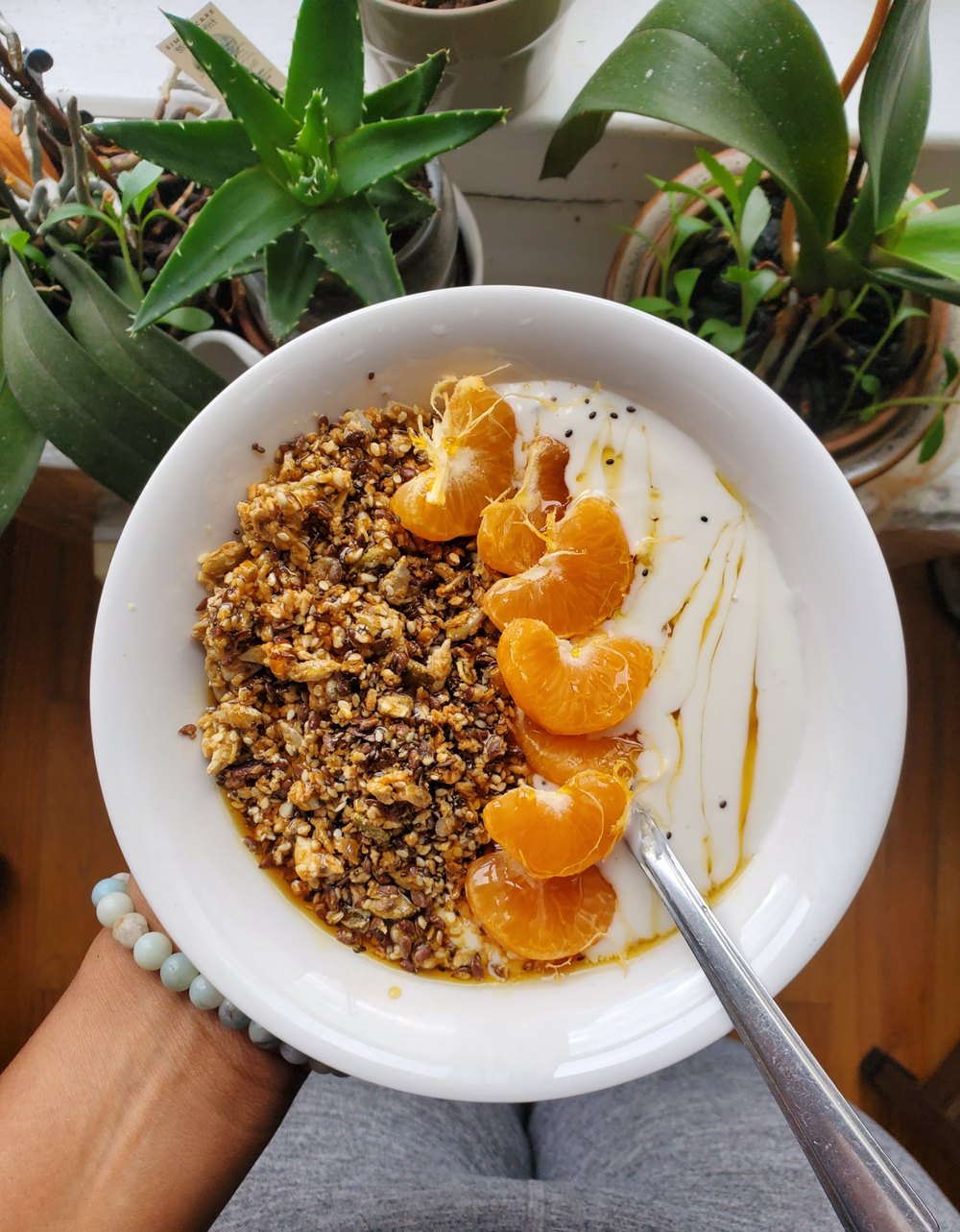
I love starting my day with a breakfast that provides protein, fiber, carbohydrates, and fats.
Chia seeds are especially useful because they provide fiber and plant-based omega-3 fatty acids.
The protein total depends on the yogurt and toppings used, so checking labels is helpful.
Lunch: My Weekly Meal-Prep Bowl
I usually prepare my lunches in batches for approximately four days.
What I make depends on what I'm interested in eating that week.
Sometimes it's tofu with roasted vegetables and potatoes.
Other times it might be a salad, grain bowl, or something inspired by a recipe I've been exploring.
The basic idea stays the same:
A satisfying protein source, a variety of plants, an energy-providing carbohydrate, and a flavorful addition that brings everything together.
Meal prepping makes my week easier, but it doesn't mean my meals have to be boring.
I can change the seasonings, toppings, or sauces while using the same basic ingredients.
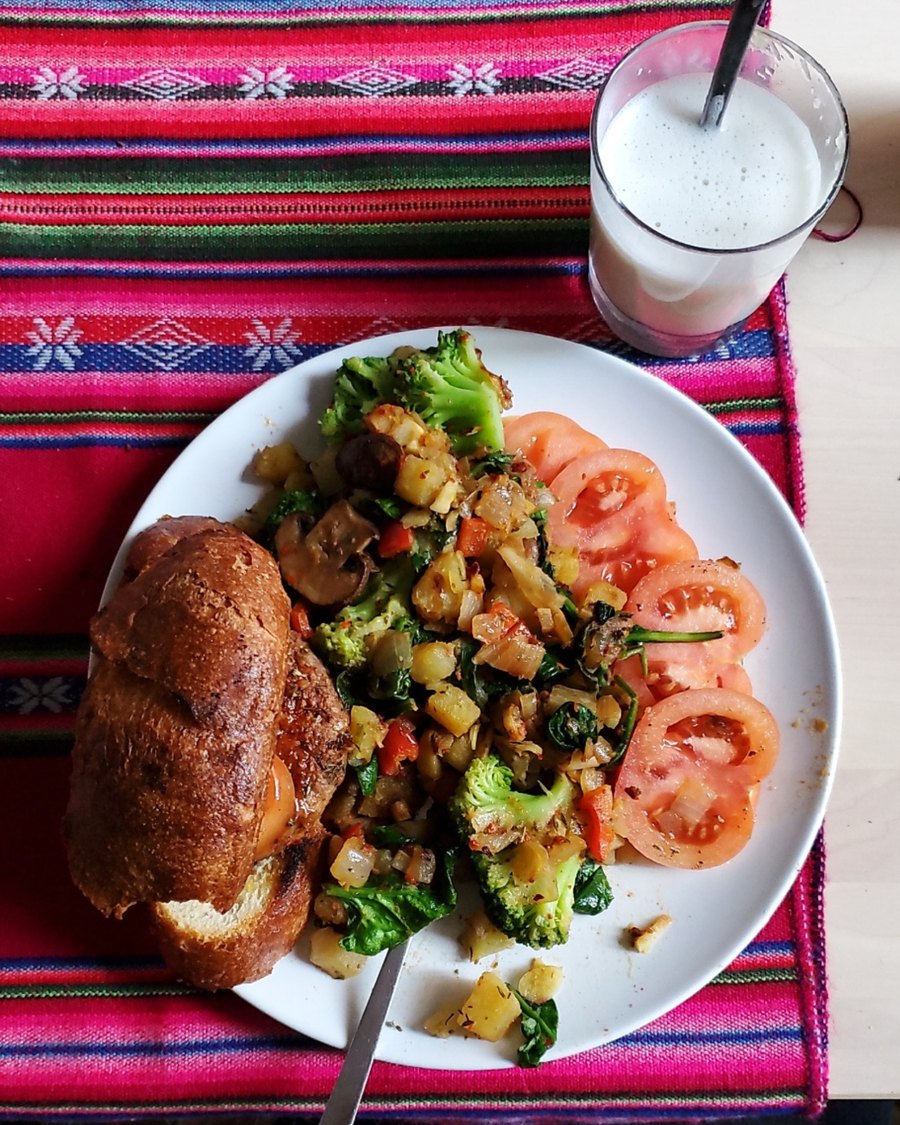
Dinner: Flexibility and Enjoyment
Dinner is usually more flexible.
I decide what I want based on how I'm feeling, what I've eaten earlier, and what ingredients I have.
I don't believe every meal needs to look identical.
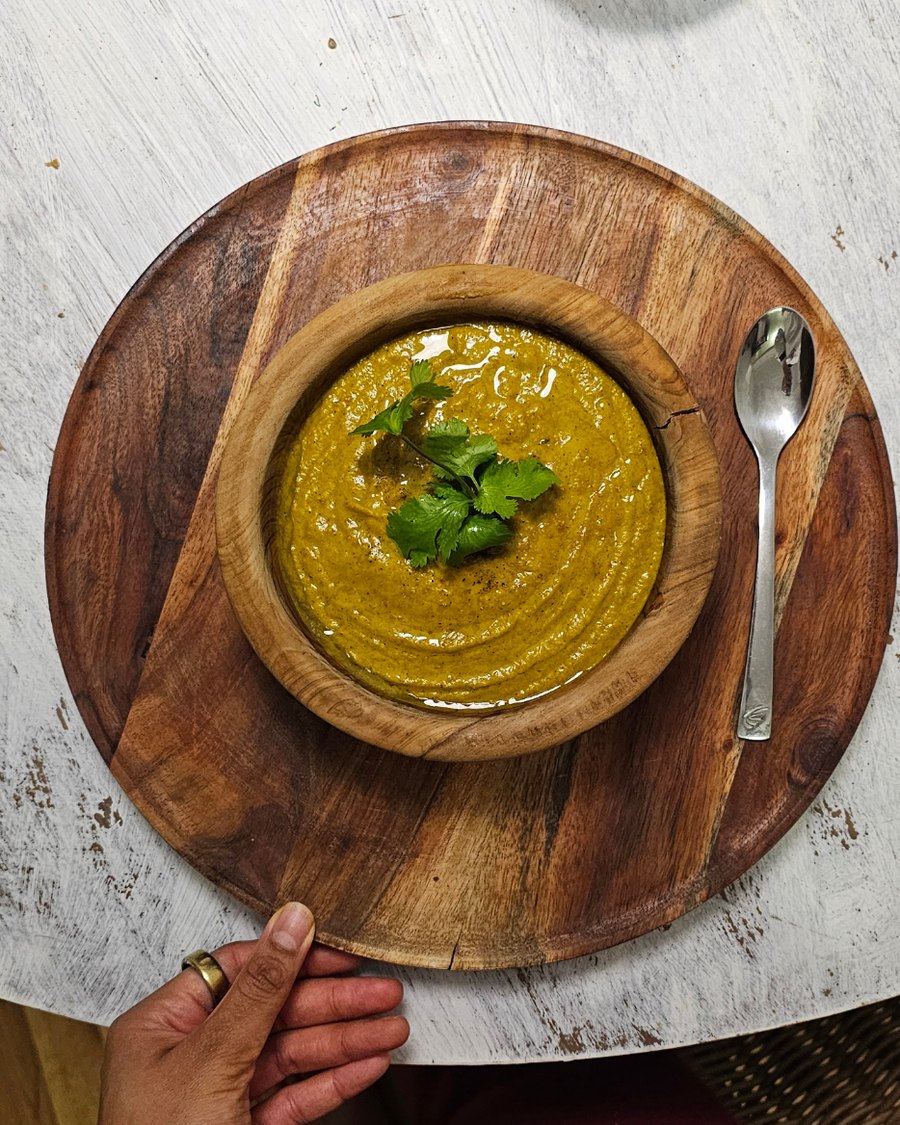
Some days I want something warm and comforting.
Other days I want something fresh and light.
The point is to find a way of eating that's both nourishing and enjoyable.
Snacks: Seasonal, Simple, and Affordable
I almost always have a snack with me.
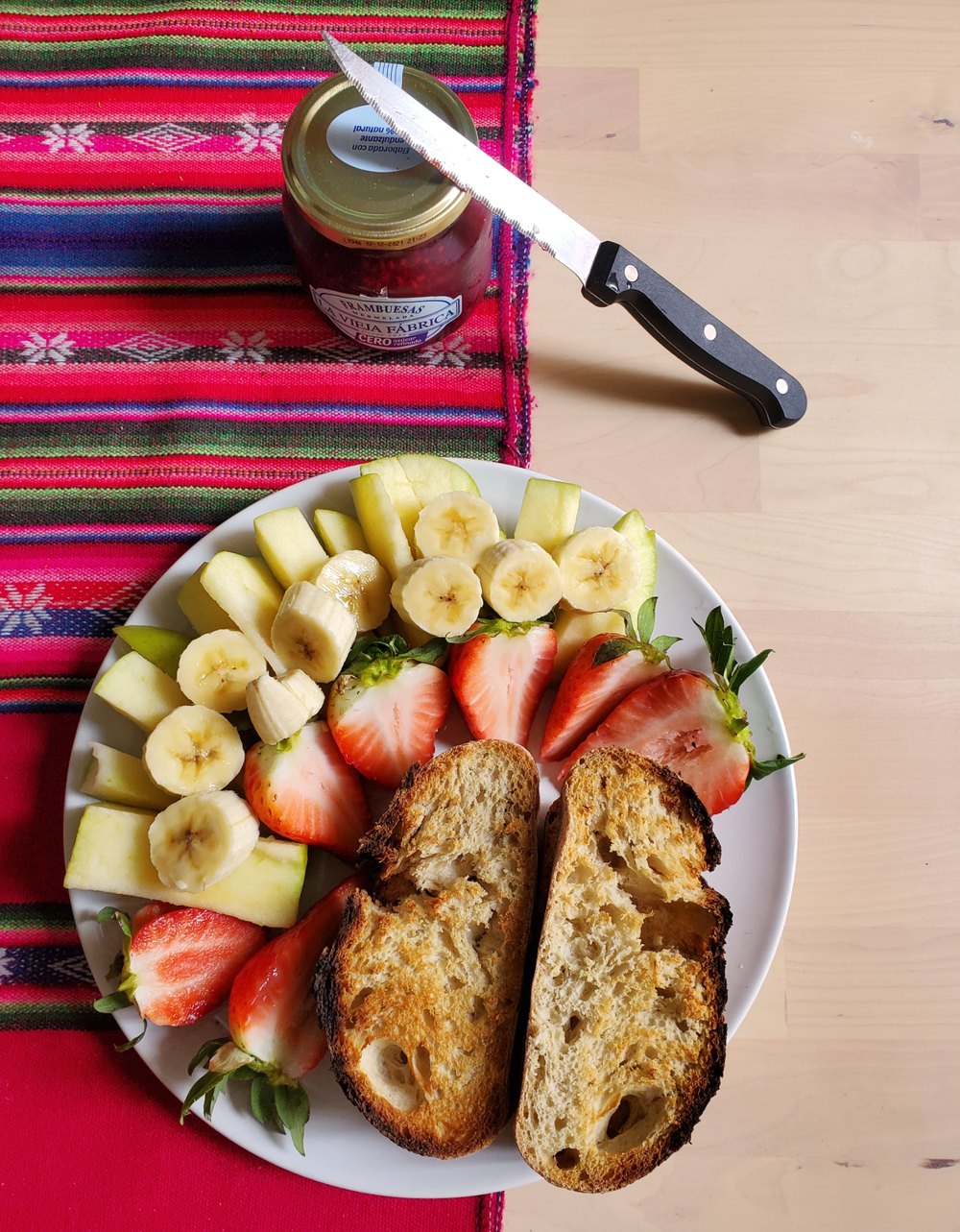
And one of my favorite snacks is fruit.
Living in New York, I enjoy buying produce when it's in season.
During apple season, for example, I'll buy several apples and pack one or two in my bag.
Sometimes I'll slice them and add cinnamon, almond butter, or a little maple syrup or honey.
Other times, I'll eat them just as they are.
I also enjoy nuts, seeds, and vegetables as snacks.
I don't believe nourishing snacks have to be elaborate.
Sometimes the simplest foods are exactly what you want.
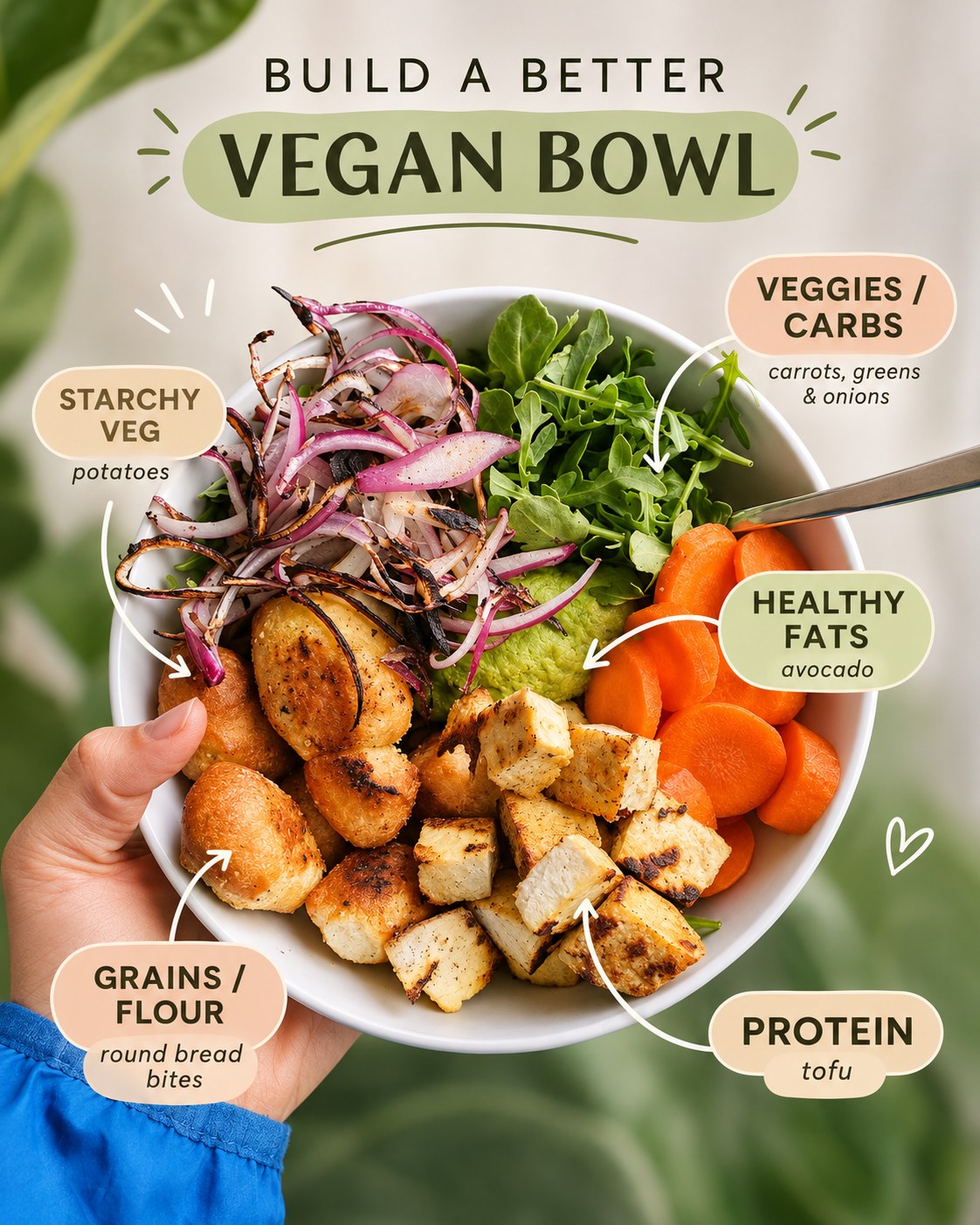
How to Build a Balanced Vegan Bowl: My Five-Part Formula
One of the easiest ways to visualize plant-based nutrition is to build a colorful bowl.
You can think of it in five components.
1. Vegetables for Fiber, Color, and Micronutrients
Start with a generous variety of vegetables.
For example:
- Arugula or kale
- Roasted carrots
- Red onions
- Cucumbers
- Broccoli
- Bell peppers
A variety of colors can help diversify the vitamins, minerals, and plant compounds you consume.
2. Protein to Support Muscle and Recovery
Add a protein-rich food.
My usual choice is extra-firm tofu, but you could also try tempeh, lentils, chickpeas, or edamame.
3. Carbohydrates for Energy
Include a satisfying carbohydrate source.
Try roasted potatoes, sweet potatoes, quinoa, brown rice, or another grain you enjoy.
Carbohydrate needs vary depending on factors such as activity level and individual health.
4. Healthy Fats for Flavor and Nourishment
I love adding mashed or sliced avocado to the center of my bowl.
Other options include tahini, olive oil, nuts, or seeds.
5. Something That Makes the Bowl Exciting
A balanced meal should taste good.
Add something that makes you want to eat it.
Maybe it's toasted bread bites, roasted pumpkin seeds, herbs, a homemade dressing, or your favorite seasoning.
For a simple visual guide, you can aim for roughly half a plate of vegetables and fruit, one-quarter protein-rich foods, and one-quarter whole grains or starchy foods, with some healthy fat.
It's a starting point, not a rigid rule.
Your individual portions can vary based on appetite, activity, and nutritional needs.
Can Eating Plant-Based Actually Save Money?
One misconception I often hear is that eating plant-based is expensive.
My experience has been very different.
I've found that eating plant-based can be significantly more affordable, especially when I plan meals, buy seasonal produce, and focus on simple ingredients.
Tofu, oats, potatoes, beans, rice, and many fruits and vegetables can be budget-friendly staples.
You also don't need every ingredient to be organic to build a nutritious diet.
I prioritize what works for my budget and what is accessible.
And I don't feel obligated to buy every new vegan product on the market.
Some specialty plant-based alternatives are expensive, and I personally prefer to keep many of my ingredients simple.
Research also suggests plant-based eating can be economical.
A 2024 study in JAMA Network Open found that a low-fat vegan diet had lower estimated food costs than a Mediterranean diet in the study population.
Of course, grocery savings depend on where you live, the foods you choose, and how you shop.
But the idea that plant-based eating must be expensive simply isn't true.
My Practical Grocery-Saving Habits
- I meal prep breakfast and lunch on Sundays.
- I buy produce that's in season whenever practical.
- I use affordable protein sources such as tofu.
- I prepare multiple portions from the same ingredients.
- I choose nuts and seeds that can serve several purposes.
- I don't assume expensive specialty products are necessary.
- I use what I already have before buying more.
Plant-based eating doesn't have to look like a luxury grocery haul.
It can look like a well-stocked kitchen, a little planning, and creativity.
Learning to Listen to Your Body
One of the most meaningful things I've developed over the years is a stronger awareness of how I feel around food.
Before preparing a meal, I often stop and ask myself:
What do I actually want right now?
Not just what sounds good, but what feels satisfying and appropriate for my day.
I pay attention to my hunger, my activity level, and how different foods affect my digestion.
I've also noticed that my food preferences change around my menstrual cycle.
Sometimes I'm drawn toward chocolate, beet juice, or meals prepared in a cast-iron skillet.
I find those patterns interesting, and they've encouraged me to learn more about nutrition throughout different stages of life.
But I don't assume every craving indicates a specific vitamin deficiency.
Food preferences can be influenced by hormones, habits, sensory experiences, energy needs, and many other factors.
That's why personal awareness and sound nutritional information work best together.
You can become curious about what your body is communicating while still relying on evidence and medical guidance when appropriate.
Plant-Based Eating Isn't One-Size-Fits-All
One of the things I wish more people understood is that there isn't a single perfect way for everyone to eat.
Our bodies, cultures, preferences, budgets, medical needs, and lifestyles are different.
The foods that feel satisfying to me may not be the same foods you enjoy.
And that's okay.
I also wish people approached unfamiliar foods with more curiosity.
When I started eating plant-based, I had to explore new ingredients and learn how to create satisfying meals.
That process expanded my palate.
I discovered foods I had never regularly eaten before, learned new cooking techniques, and became more interested in where my food comes from.
Instead of experiencing plant-based living as a restriction, I experienced it as an opportunity to learn.
We don't know what we don't know. And curiosity gives us a chance to discover more.
You don't have to become vegan to begin incorporating more nourishing plant foods into your life.
You can start by adding a new vegetable to dinner, trying tofu for the first time, or preparing a colorful lunch with ingredients you already enjoy.
The goal is to become more informed, more intentional, and more connected to the choices you make.
Frequently Asked Questions About Balanced Plant-Based Meals
How do you build a balanced plant-based meal?
Combine vegetables or fruit, a source of protein, an energy-providing carbohydrate such as whole grains or starchy vegetables, and some healthy fat. Portions should be adjusted to your individual needs.
Can you get enough protein on a vegan diet?
Yes. Appropriately planned vegan diets can meet protein needs. Foods such as tofu, tempeh, soy products, beans, lentils, and seitan provide useful protein sources.
Is tofu a healthy protein source?
Tofu is a nutritious source of plant protein for people who can consume soy. It provides essential amino acids and may supply calcium, depending on how it's manufactured.
Is plant-based eating cheaper than eating meat?
It can be, especially when meals are built around affordable staples. Research has found lower food costs for certain vegan dietary patterns, although actual savings vary by household and food choices.
What vitamins should vegans pay attention to?
Vitamin B12 is especially important because a fully vegan diet needs a reliable source from fortified foods or supplements. Vitamin D, iodine, iron, calcium, zinc, and omega-3 fatty acids also deserve attention depending on the individual diet.
Do I need to buy organic produce to eat healthily?
No. Both conventional and organic fruits and vegetables can contribute important nutrients to a healthy diet. Access, affordability, variety, and adequate consumption matter.
How can I eat more plant-based foods without feeling restricted?
Start by adding rather than subtracting. Try one new vegetable, experiment with a different plant protein, or explore a recipe from another cuisine. Focus on enjoyment, variety, and finding foods that work for your life.
Final Thoughts: Nourishment Is More Than What's on Your Plate
When I reflect on my plant-based journey, I realize how much it has taught me beyond nutrition.
It has made me more curious, more intentional, and more willing to question things I've always been told.
It's encouraged me to explore different cultures, learn new recipes, and become more connected to my own body.
And it has reminded me that nourishment is not simply about eating something because it's considered healthy.
It's about understanding what you're consuming, enjoying the experience, and making choices that support your well-being.
Ten years later, I still don't know everything there is to know about nutrition.
And I love that.
Because there's always something new to learn.
A new ingredient to discover.
A new recipe to try.
A new perspective to consider.
Nourishing your body is a lifelong practice, not a destination.
So whether you're exploring plant-based eating for the first time or looking for ways to make your meals more balanced, I encourage you to begin with curiosity.
Explore the foods available to you.
Learn what your body needs.
And create meals that make you feel nourished, satisfied, and excited to eat.
With love,
Jasmine Lorraine
Earth To Lorraine — Nourish your body, mind, and soul.
